Choosing a new platform often comes down to how the lobby feels after a long shift. You want something that fits a quiet arvo without feeling like a chore to navigate. When you weigh up a casino wheel of fortune style game against the rest of the lobby, the decision should hinge on discovery and how quickly you find what you actually want to play. It is not about chasing a big win every session; it is about whether the structure makes sense for your habits. Some operators stack their lobby with noise, while others keep it tidy enough that you can pick a game before your coffee goes cold. That difference matters more than most promotional banners suggest.
What The Lobby Actually Offers
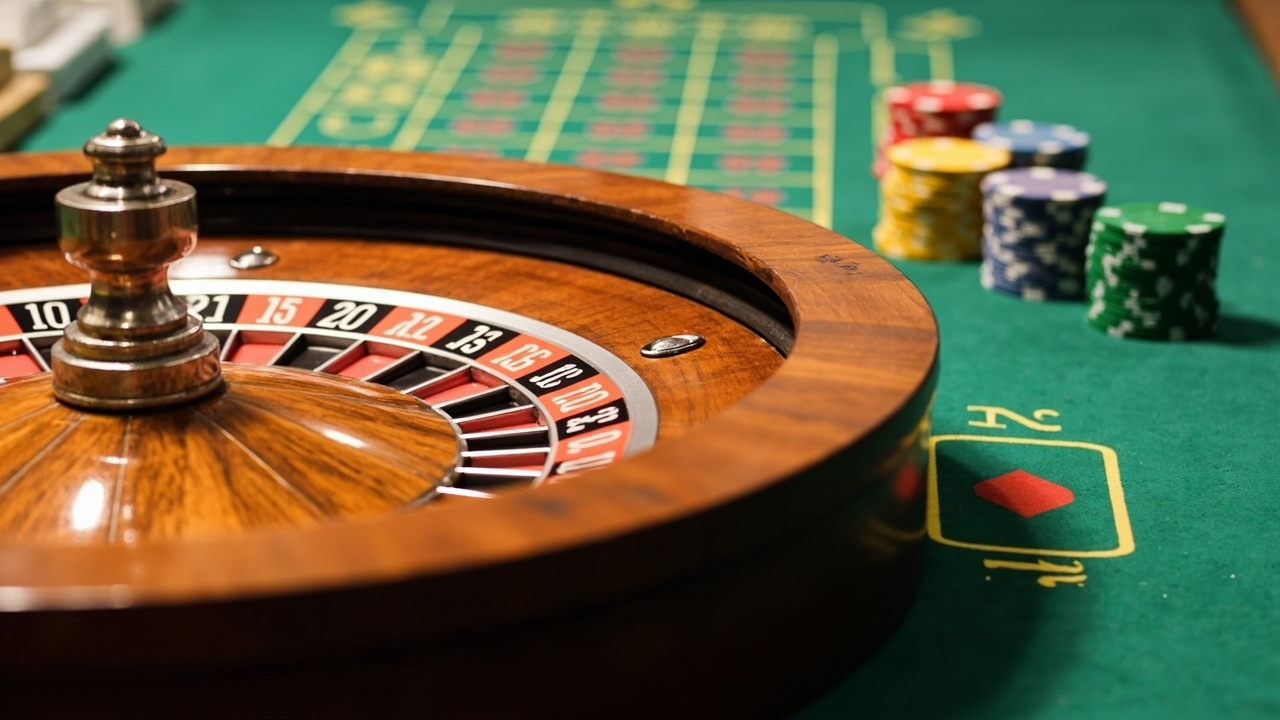
The game mix sets the tone before you even commit to a spin or a hand. A solid lobby needs a clear spread of slots, table options, and live content, organised so you are not digging through dead links. Providers matter here because the quality of the RNG and the presentation varies wildly between studios. You want a platform that lists its partners plainly and lets you filter by volatility or theme without making you jump through hoops. Search should be quick, and discovery should not rely on a single rotating banner that hides half the catalog. If the lobby feels cluttered, you will spend more time scrolling than playing, which defeats the point of a casual session. plinko machine in online lobbies
When I look at how operators structure these spaces, I see the same mistakes overseas that we used to see in affiliate programs a decade ago. In the US and UK, some lobbies lean hard on algorithmic feeds that push high-margin titles, and that same pattern shows up in a few Australian-facing rooms too. The better setups give you a straight list, sortable by provider or category, with the casino wheel of fortune style game placed where it belongs rather than shoved into a promo slot. That is the kind of layout I would back as a partnerships guy who has seen both publisher and advertiser sides of the table. Henry Taylor, Responsible Gambling Adviser, Southern Capital Advisory, puts it plainly: a lobby that obscures limits or buries responsible tools is a layout problem, not a marketing win. You can spot that issue quickly if the terms are hidden behind a flashy wheel graphic instead of sitting where players actually look.
| Feature | What to weigh |
|---|---|
| Lobby organisation | Filterable categories, clear provider labels |
| Game mix | Slots, tables, live content in balanced proportions |
| Discovery | Search works, no hidden rotations |
| Transparency | Bonus terms and limits visible before you click |
How The Wheel Fits Your Session
The wheel itself should feel like a deliberate choice, not a gimmick bolted onto a tired lobby. A casino wheel of fortune style game works best when the outcomes are clear, the stakes are visible, and the pace matches a short session rather than a marathon. You want to know what you are buying into before you tap, including how the rounds run and what happens if you decide to stop. That is where a lot of rooms go soft on clarity. The mechanics should be readable at a glance, with the same kind of straightforward presentation you would expect from a table game or a standard slot round.
There is a reason some players gravitate to simple round-based games instead of chasing layered bonus features. The appeal is predictability of format, not predictability of result. Any craps wins if the shooter rolls 2, 3 or 12, and that kind of rule clarity is what keeps a game feeling fair even when the outcome is random. You can apply the same eye for rules to a wheel format: if the win conditions and stake ranges are laid out plainly, you can decide whether it suits an arvo session or whether you would rather switch to something with a different rhythm. Henry McKenzie, Board Member, Kangaroo Point Analytics, notes that players who understand the format upfront tend to stick to their limits better, which is a practical point rather than a marketing one.
A few things are worth checking before you settle on a room:
- Bonus mechanics that do not hide turnover behind vague wording
- Payments and currencies that match what you actually use
- Registration that does not ask for more than it needs
- Mobile play that keeps the lobby intact on a smaller screen
- Support that is reachable when something looks off
Blockchain-based “decentralised” casinos aim to run without a traditional operator, and that model gets talked up overseas in the US and Europe as a kind of open alternative. Down Under, the conversation is different because we are dealing with a market where offshore licensing is not the same as local regulation. You should treat those setups as a different category entirely, not as a shortcut to a more flexible room. If a platform leans on that angle without being clear about what it actually means for your session, that is a flag rather than a selling point.

Matching The Wheel To Your Habits
The right choice comes down to what you are actually trying to do in a session. If you want a short, focused round with a clear stake range, a casino wheel of fortune style game can fit that nicely, provided the lobby around it is not fighting you. If you prefer longer table sessions or live content, the wheel should be one option among several, not the only thing the room pushes. The decision is less about the game in isolation and more about whether the whole setup respects your time and your limits.
I have seen campaigns that treat a wheel feature as the headline and leave the rest of the lobby as an afterthought. That approach works for a promo window and falls apart the moment a player wants to browse properly. A better test is simple: can you find what you want, understand the terms, and start a session without feeling like you are being steered? If the answer is yes, the room is doing its job. If the answer is no, the wheel is just decoration on a messy layout.
For a Brisbane session on a busy week, you want a lobby that loads cleanly, keeps the categories visible, and lets you move between a wheel round and something else without losing your place. That kind of flow is what separates a room you come back to from one you forget after a couple of tries. No worries if the first pick is not perfect; the point is that the setup gives you a genuine choice rather than a single path dressed up as variety.
The verdict is straightforward: treat the casino wheel of fortune style game as one part of a lobby you can actually navigate, and weigh it against the mix, the clarity, and the way the room handles your time. If the wheel is clear and the lobby is tidy, it earns a spot in your rotation. If the room hides the basics or leans too hard on the gimmick, keep looking.